

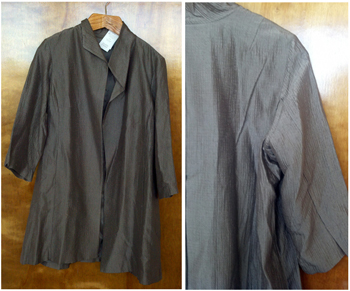
 I had an important presentation to make and needed to be compelling, persuasive — and although the clothes don’t make the consultant, they can add to or detract from both presence and self-image.
I found something stylish, professional — exactly the kind of thing I wanted — on the website of a fashion-forward, high-end multichannel retailer whose catalog I had bought from a number of years ago. The jacket cost more than I had planned to spend, but I hoped it would give me just the lift I thought I might need to ace the presentation.
As is true of many original retailers who go multichannel, delivery times were relatively long, so I paid a hefty additional up-charge for expedited shipping to ensure I’d receive the garment in time.
Dropping the Ball
When the package arrived a few days later, I was surprised that the outer box had no hint of glamour or fashion branding. Yes, inside the box there was tissue, but lots of companies send their products wrapped in tissue.
The jacket itself, although attractive, was creased so deeply in multiple places that it looked as if it had come directly from an overseas manufacturer with an elephant sitting on it inside the shipping container.
It’s normal to have some creasing in garments that are packed flat, no question about it. But this jacket’s creases were so severe that it made me wonder if this upmarket merchandiser was assuming that every customer has her own butler?!?
What a disappointment! No home steam job would be enough. It would have to go for professional pressing at the dry cleaners and I had neither the time nor the patience for that.
The Other Shoe Drops
I returned the jacket. Luckily, I had some perfectly good wardrobe choices in my closet, and the presentation was successful and enjoyable, even without new clothes. But although the retailer emails me at least a couple of times a day, I won’t want to do business with that outfit again — too risky!
Here’s the funny thing. Despite my professional service experience, I didn’t make a complaint. I didn’t feel a strong enough sense of connection or loyalty — or enough optimism to believe that my comments would actually make a difference. I assume the retailer knows how they’re shipping goods, because surely fussier members of their upscale, used-to-top drawer, top-flight service clientele would have protested by now.
Sadly, given my lack of confidence in them, they wouldn’t know how to win me back even if they cared enough to do it.
Onward and upward,
LK
Exactly right. The sad irony is that vendors like this often do not receive the complaints that give them clues to the reasons for their falling sales. And when they finally go out of business, they chalk it up to all the wrong reasons.
I blogged about this in late 2009, pertaining to poor restaurant service: http://bit.ly/MORL57
“That kind of experience tends to discourage repeat business. People go once and don’t come back. These customers’ dissatisfaction is usually shared with others via word-of-mouth, but rarely with the restaurant owner. So when the restaurant sees an increasing number of empty seats night after night and eventually goes out of business, the owner wonders why.”
It’s always good to see your insights, Jack.
When the customer is forced into duty as the last stage of quality control, you can be sure that even if the retailer doesn’t go bust, they’re not doing as well as they could.
Some of the best businesses don’t assume they’re perfect — they actively, persuasively seek feedback and input (and there will be an example in the third part of this series) so they can repair damaged relationships and make good ones stronger.